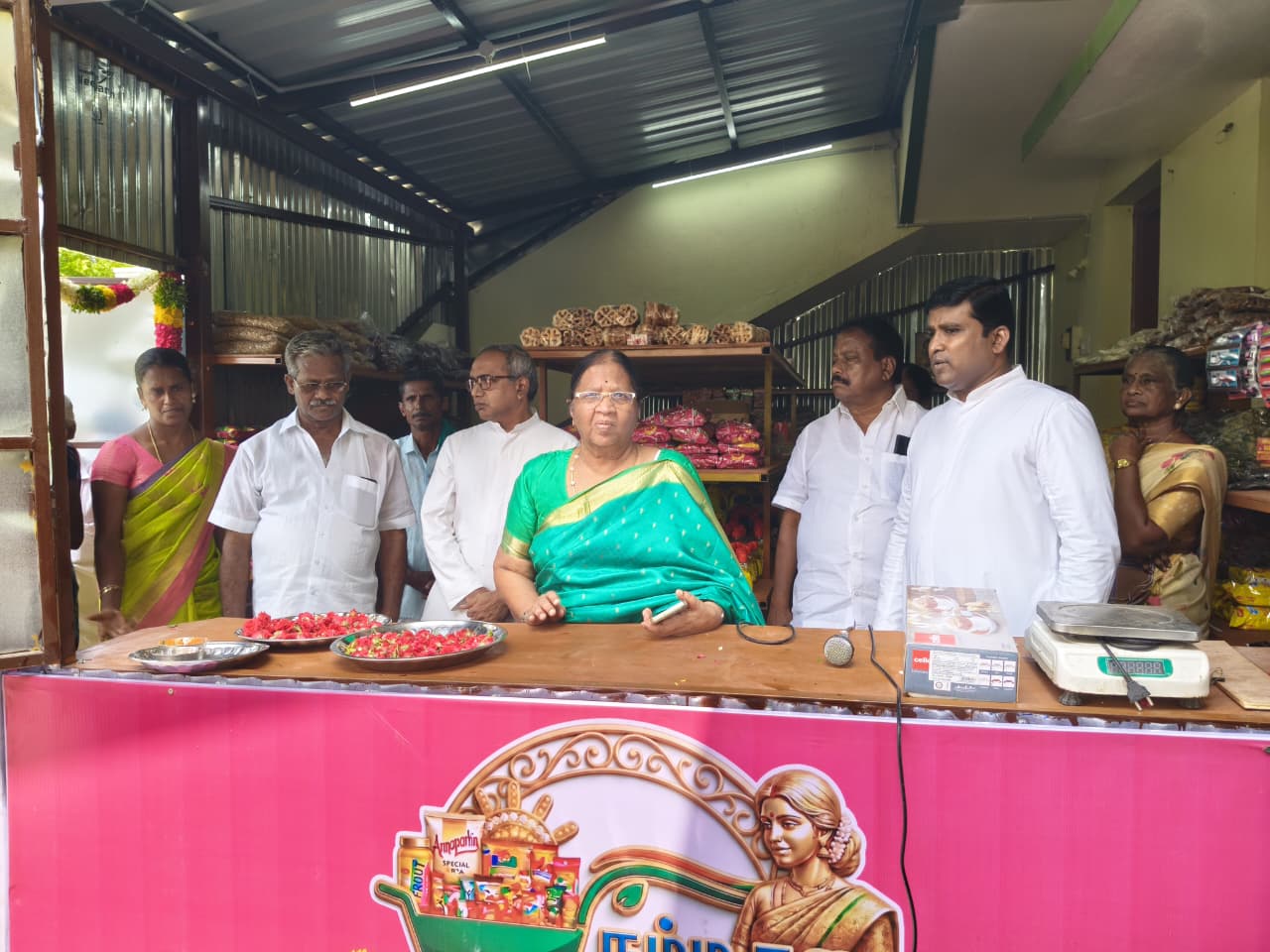
The journey of empowerment often begins with a dream, grows through collective effort, and blossoms into a sustainable reality. Such a milestone was achieved by the Self-Help Group (SHG) movement of Don Bosco Youth Village, Susaipudayanpatti, with the inauguration of “Namma Kadai – Magalir Maligai Kadai”, a community-owned grocery shop established for and by the women members of the SHGs.
Over the years, the SHG members have been constantly exploring opportunities to create sustainable livelihood initiatives that would benefit all the members collectively. During their regular meetings, discussions, and consultations, the leaders reflected on various possibilities for income generation. After careful study and discernment, they arrived at a visionary decision: to establish a grocery shop that would be owned by the women and supported by the entire SHG network.
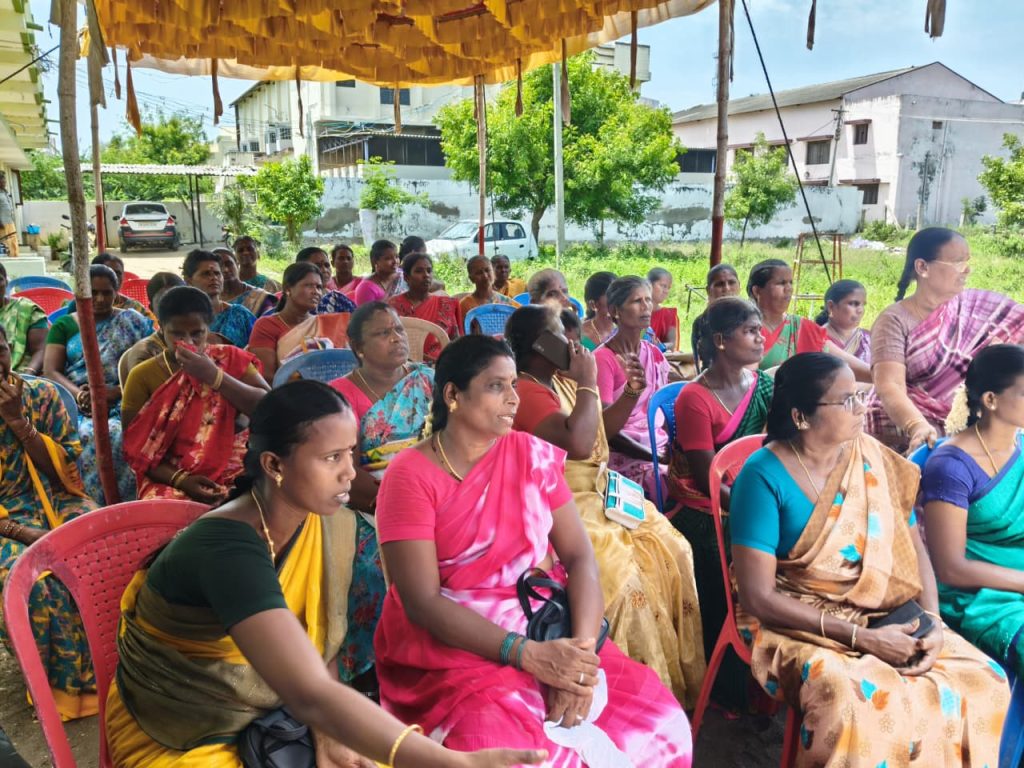
What makes this initiative unique is its community-based model. The SHG movement currently consists of 1300 women members spread across 94 Self-Help Groups in 35 villages. All members have committed themselves to purchasing their household groceries from the shop, thereby ensuring a steady customer base and strengthening the sustainability of the enterprise. At the same time, the shop remains open to the general public, expanding its reach and impact within the local community.
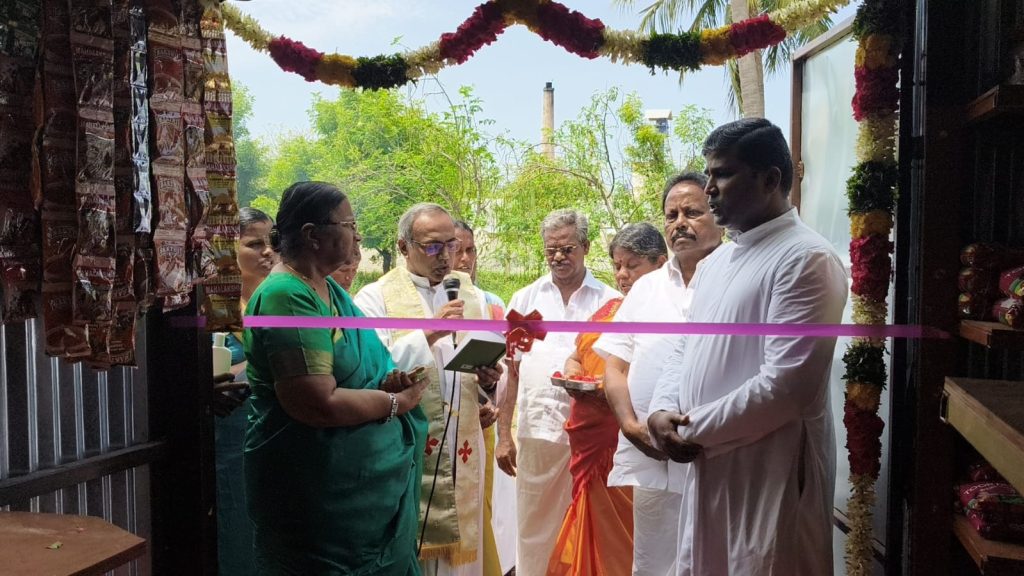
The grocery shop was officially blessed and inaugurated on 21 May 2026. Fr. Ricopar Royan, Provincial Economer, blessed the premises, while Mrs. Emily Richard, Former Mayor of Tiruchirappalli Corporation, formally inaugurated the shop in the presence of SHG leaders, members, well-wishers, and distinguished guests.
The launch of “Namma Kadai” was not an overnight achievement. It was the fruit of three months of intensive preparation, planning, and consultation. As part of the process, twelve federation leaders visited several successful enterprises and grocery establishments to understand their functioning, management systems, and best practices. Their exposure visits and detailed study helped shape a practical and sustainable model suited to the needs of the SHG movement.
Four women have been employed to manage the day-to-day operations of the shop, including procurement, sales, bookkeeping, and distribution of groceries to the members. Thus, the initiative not only creates a common economic platform but also generates direct employment opportunities for women.